

Why Teams Fail: The 5 Dysfunctions of a Team Explained
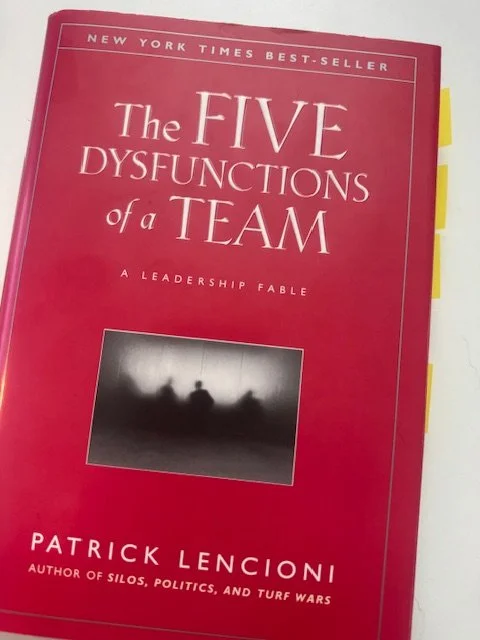
The Five Dysfunctions of a Team
I read a lot of business books, but the ones I keep coming back to are about people. No matter what the work, it is done by people; experienced by other people. And the place most teams struggle is in how they best work together. That is why this one has stuck for many years.
Why this book?
👉 Facing team underperformance? This book breaks it down in a way that is hard to ignore. It shows how normal human behavior quietly wrecks teamwork, and what to do instead. There is a simple model, a clear diagnostic, and practical ways to fix what is not working.
One idea I can’t stop thinking about:
👉 Absence of trust drives everything. If people do not feel safe to be honest; if they do not believe that each member of the team will do their part; if they do not think they will be supported by others then nothing else works. Not strategy, not goals, no incentives, not KPIs. Trust comes first, and it starts with vulnerability. Without it, results stall.
How the book shaped the way I lead or communicate:
👉 This trust foundation changed how I think about leadership. Vulnerability is not a risk, it is the starting point. Once trust is there, conflict is not a problem, it is required. My role is not to avoid tension, but to guide it so the team can use it as a way through a challenge - a way to find the third and often better answer – and then commit and hold each other accountable.
How you can apply these lessons:
Model vulnerability: Share where you are wrong or unsure, not just where you are right. That is how trust starts.
Encourage real debate: Do not shut down tension. Push for honest conversations so better ideas can surface. It sounds counterintuitive, but this is where real feedback can come from.
Hold the team accountable: Make shared goals clear, and do not let people hide from them. Because you model this behavior yourself, it’s now okay to hold people to the same standard.
Want help applying these lessons?
This is something we see a lot in our work: teams looking aligned on the surface, but implementation breaking down and results stalling because trust is low and conversations are performative.
If you want to change the direction your team is going, let’s talk. I run workshops that help teams build trust, navigate conflict, and follow through on commitments. Better understanding one another, creates capacity and uncovers possibility.
Books like this are why I keep reading. Some books give you ideas. This one calls you out. It forces you to look at how you show up, where you hold back, and what that costs your team.
I will keep sharing the ones that challenge my thinking. If you have a recommendation, send it my way. I am always looking for the next one that hits like this.
Until next time!